
Medical care & comfort
Physician oversight
Skilled nursing care
Medication management
Medical equipment and supplies
HOSPICE CARE / MIDDLE GEORGIA
A hospice diagnosis doesn’t mean there is nothing more that can be done. It means the goals of care have changed.
Instead of focusing on curing an illness, hospice focuses on comfort, symptom management, quality of life and supporting the patient and family.

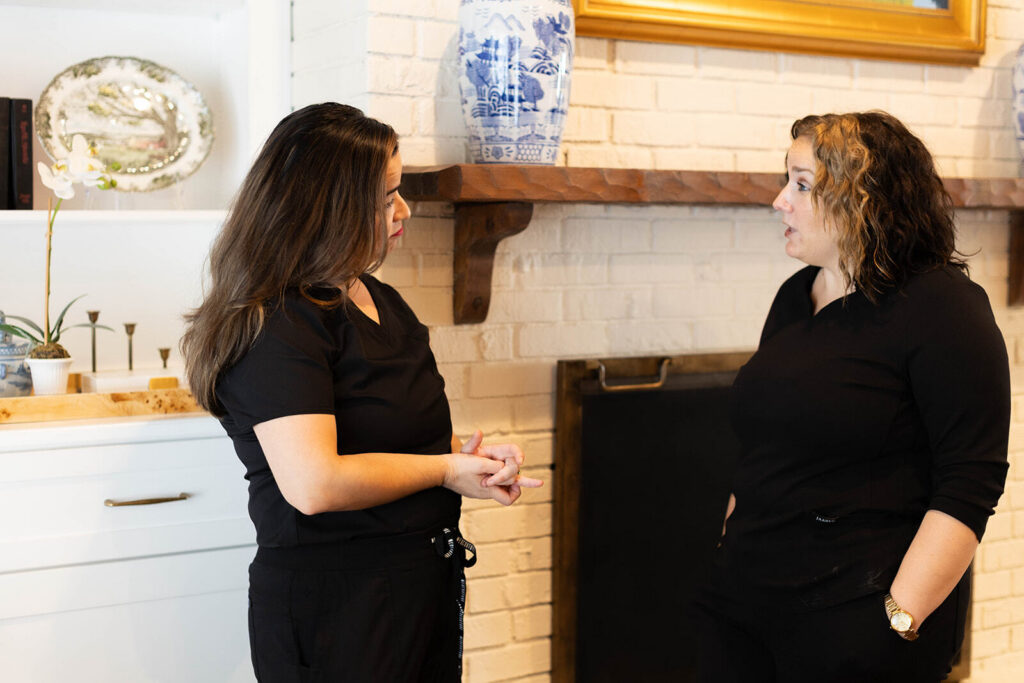
CARE THAT COMES TO YOU
Most hospice care takes place wherever the patient calls home, including:
A private residence
A family member’s home
An assisted living community
A personal care home
A skilled nursing facility
Another residential setting
Our team comes to the patient and coordinates care with family members, caregivers, physicians and facility staff.
CARE FOR THE WHOLE PERSON
Depending on eligibility, the patient’s diagnosis and individualized plan of care, hospice services may include:
Physician oversight
Skilled nursing care
Medication management
Medical equipment and supplies

Hospice aide services
Caregiver education and support
Volunteer support

Social work
Spiritual care
Grief and bereavement support
We’ll help you understand what is covered and coordinate the services your loved one needs.
THE RIGHT SUPPORT FOR YOUR NEEDS
Hospice includes different levels of care based on a patient’s needs.

Care is provided in the environment the patient and family call home. Members of the hospice team visit the patient wherever they live according to their individualized plan of care.

During certain periods of medical crisis, additional nursing care may be provided in the home to help manage acute symptoms and allow the patient to remain in familiar surroundings when appropriate.

When pain or other symptoms cannot be adequately managed in the patient’s current setting, short-term inpatient hospice care may be appropriate until symptoms are stabilized.

Caring for someone you love can be physically and emotionally demanding. Short-term inpatient respite care is available to give a caregiver a temporary period of rest while the patient continues receiving hospice care.
A PLACE TO BEGIN
You don’t have to have all the answers. Refer a patient or tell us what’s happening. We’ll listen, explain the options and help coordinate the next step.